When Can a Baby Sleep With a Blanket?
The safe-sleep answer (and the safer alternatives until then).
By Jordan Brooks · Certified pediatric sleep consultant
Fact-checked by Dana Reyes (CPST-certified car seat & safety editor)
Updated June 11, 2026
When Can a Baby Sleep With a Blanket? is the most-Googled parenting topic for a reason: when sleep works, life works. This guide covers what's developmentally normal, what's safely fixable, and where to ask for help when you've hit a wall.
Safe sleep first
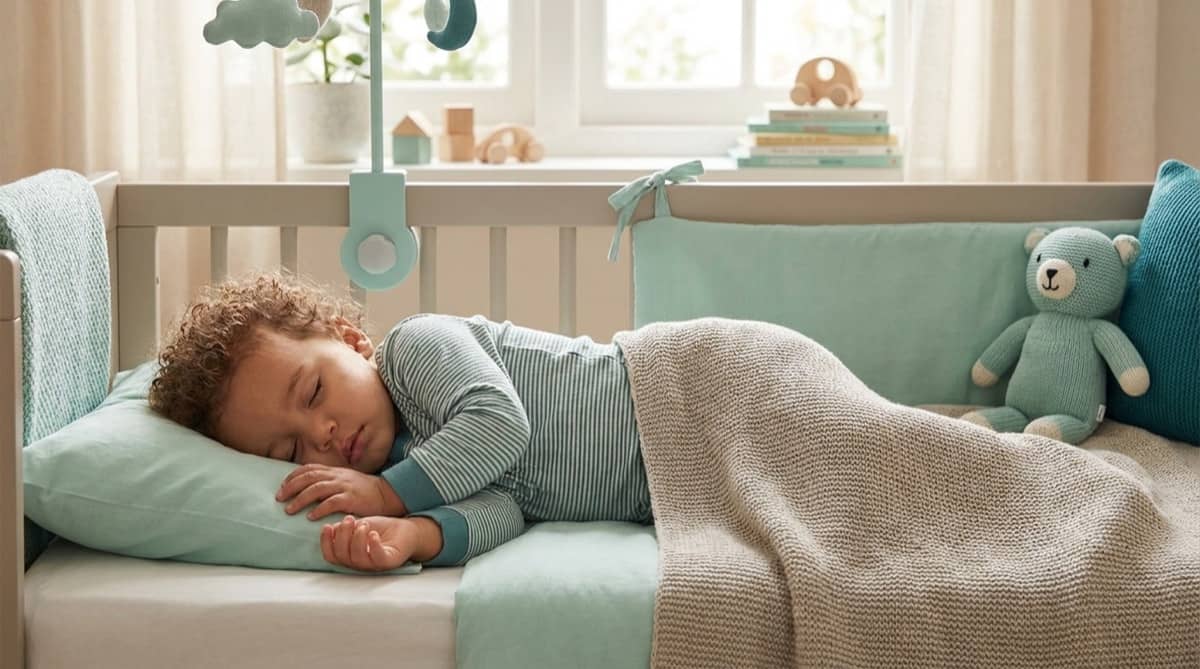
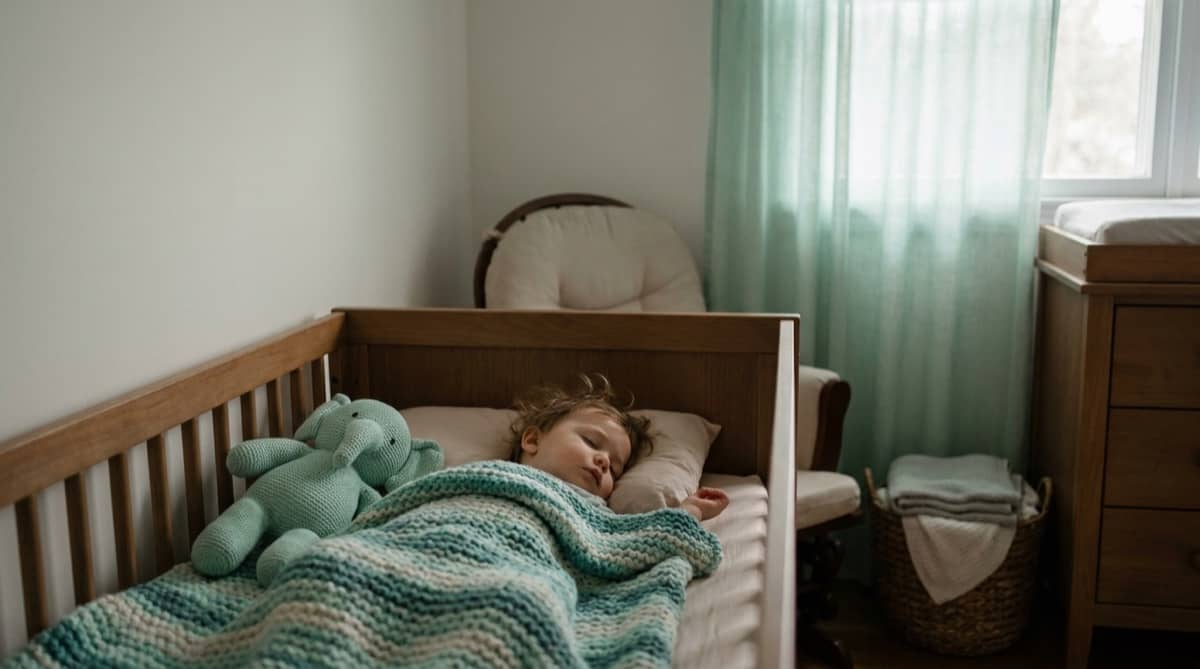
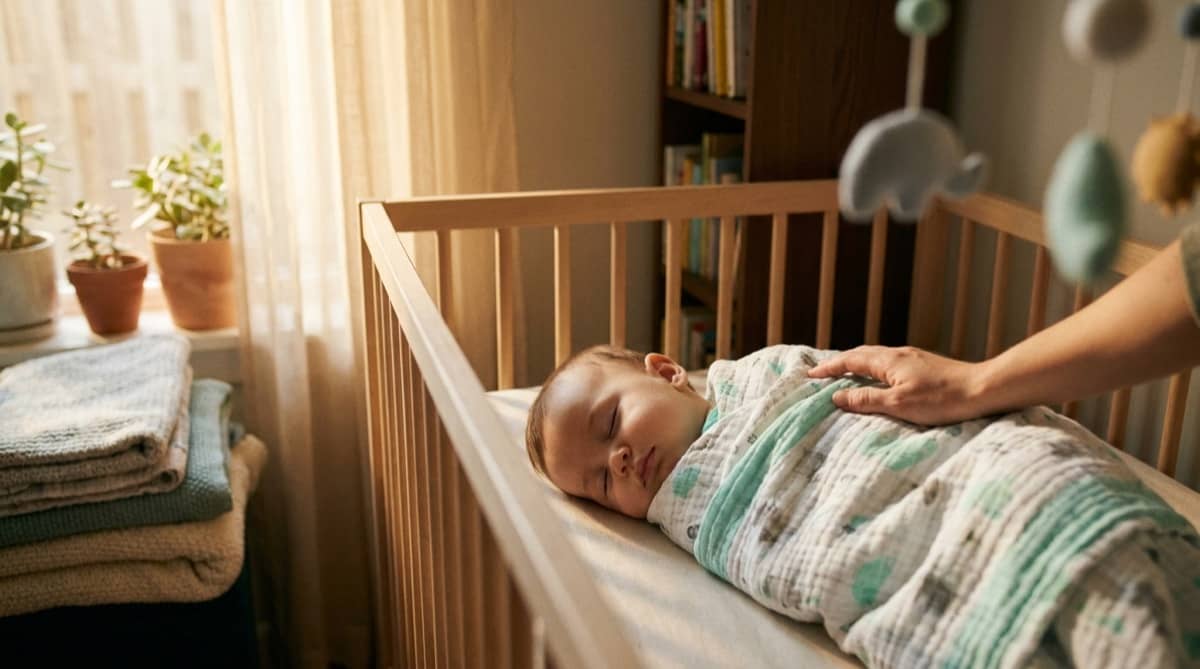
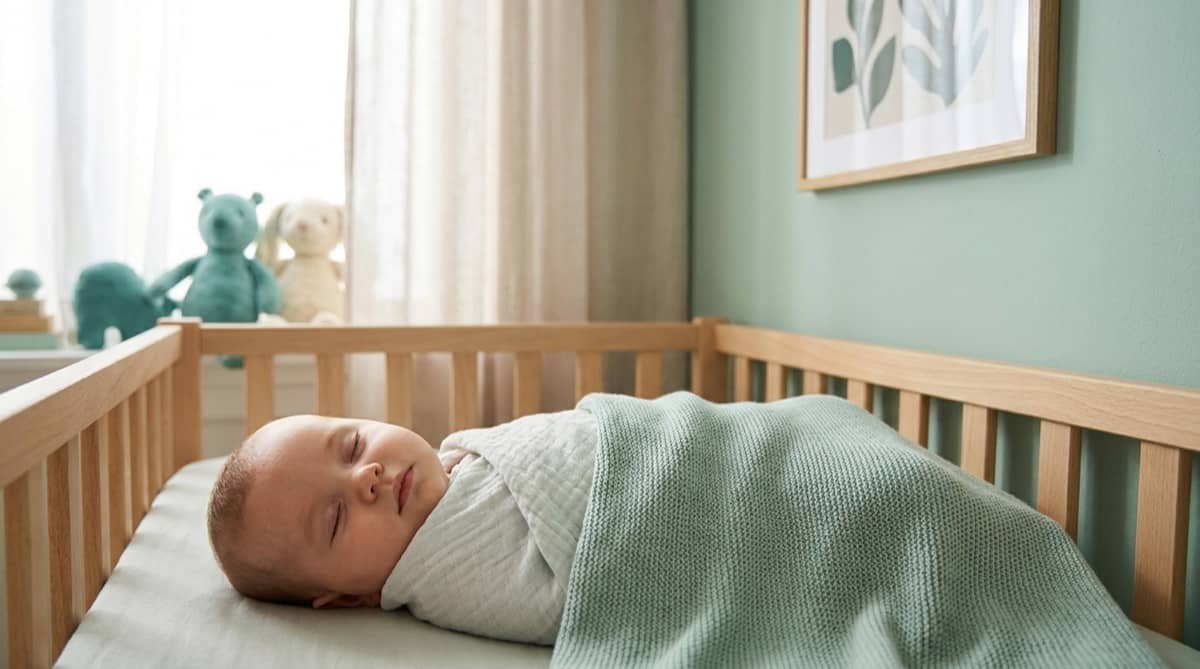
The non-negotiable rule, every nap, every night: baby sleeps alone, on their back, on a firm flat surface (a safety-rated crib, bassinet, or play yard), with nothing else in the sleep space — no blankets, pillows, bumpers, toys, or wedges. Room-sharing without bed-sharing for at least the first six months reduces SIDS risk. Swaddling is safe until the first signs of rolling, then it stops.
What's developmentally normal
Newborns sleep 14–17 hours a day in fragments of 2–4 hours. By 3 months, longer stretches start emerging. By 6 months, many — but not all — babies can sleep 6–8 hours overnight. Sleep regressions at ~4 months, ~8 months, and ~18 months are real, frustrating, and temporary. None of this is your fault, and "sleeping through the night" is not a milestone you cause.
Building a routine
A short, calm bedtime sequence helps your baby's body learn what's coming next. Common loops: bath → feed → song → bed; or feed → book → song → bed. The exact order matters less than the consistency. Try to start before your baby is overtired — drowsy, not unconscious.
Sleep training, if you choose it
Methods range from "no cry" (responsive every time) to "chair method" (graduated parental presence) to "Ferber" (timed check-ins) to "extinction" (no checks). No single method is best — the right one fits your baby's temperament and your family's tolerance. Wait until ~4–6 months, your pediatrician's OK, and a week when you can be consistent.
When to ask for help
Persistent waking, snoring, gasping during sleep, daytime difficulty waking, or your own exhaustion crossing into mental-health territory — all good reasons to call your pediatrician or a certified sleep consultant. Sleep deprivation is a medical issue, not a moral failure.
The bottom line
Safe sleep first, expectations realistic, routine over rules, and ask for help when you need it. You will sleep again — promise.
Was this article helpful?