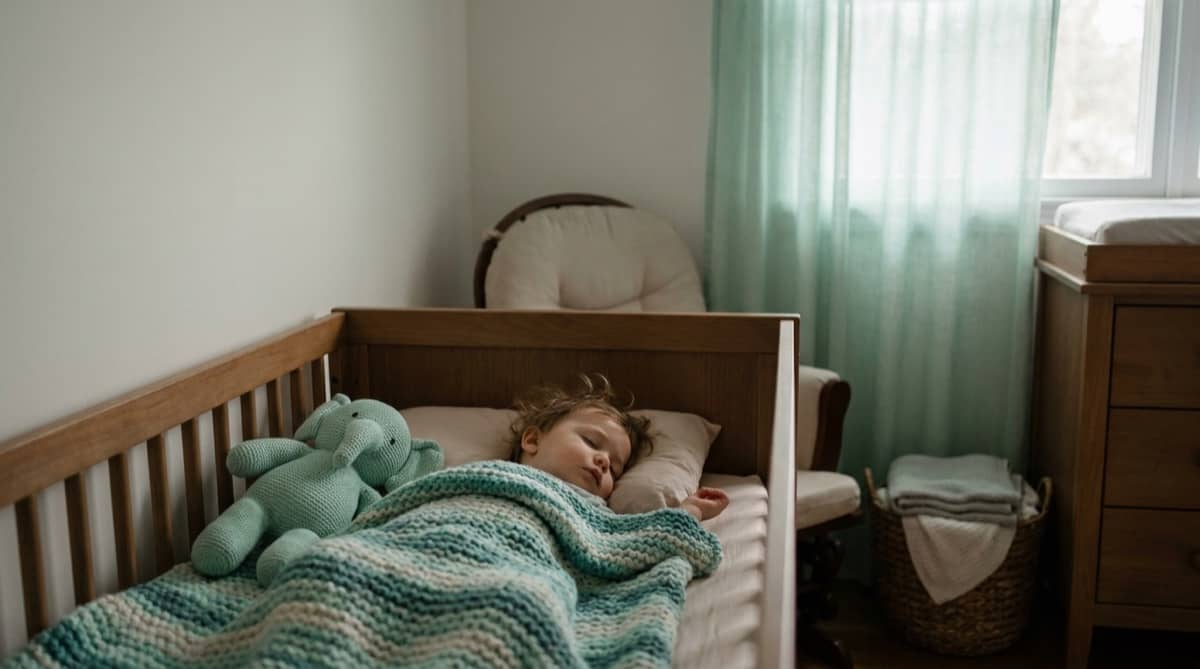
Sleep Training Methods Compared
Ferber, no-cry, chair method — find what fits your family.
By Marcus Hale · Senior gear writer & testing lead
Updated June 11, 2026
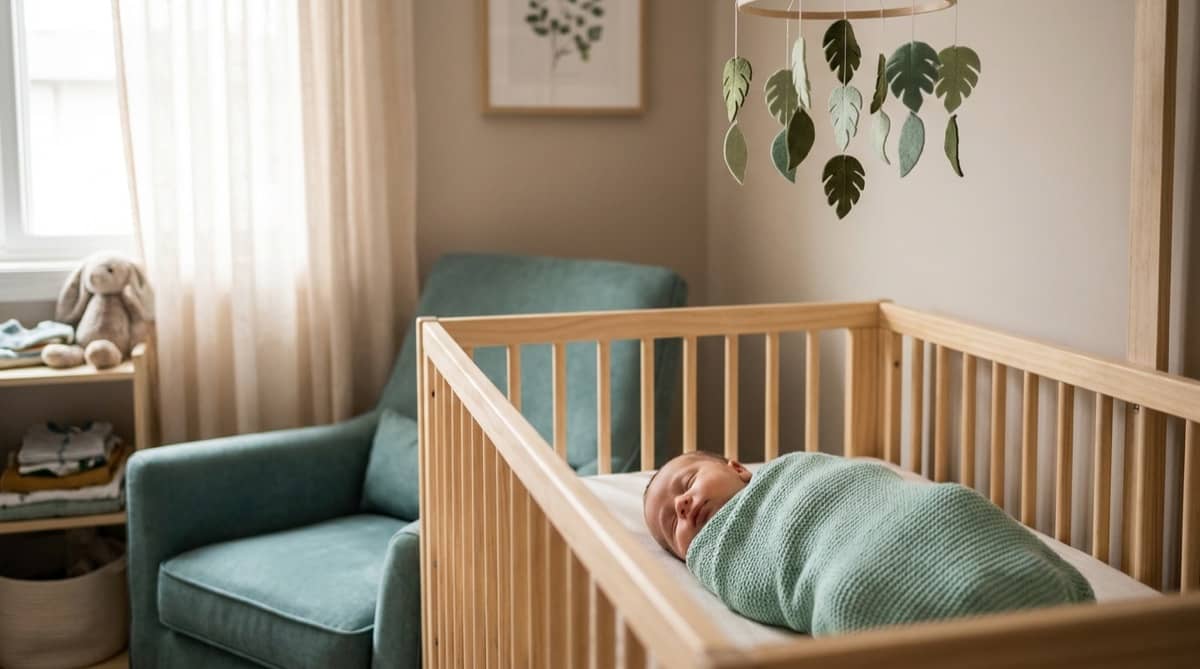
Sleep training is one of the most debated topics in early parenting, partly because "sleep training" describes a whole spectrum of approaches — not just "cry it out." At its core, it means helping a baby learn to fall asleep, and fall back asleep, independently. This guide compares the main methods honestly, explains when to start, and helps you match an approach to your baby and your own tolerance, with safe-sleep guidance throughout.
What sleep training actually is
The goal is for a baby to fall asleep on their own at the start of the night and link sleep cycles overnight without needing to be fed, rocked, or held back to sleep. The reason it helps is that babies (like adults) briefly rouse between sleep cycles; a baby who can only fall asleep while being rocked will signal for that same help at every rousing. Sleep training builds the skill of self-settling — it is not about ignoring needs.
When should you start?
Most experts recommend waiting until around four to six months. Before then, night feeds are usually still nutritionally necessary and self-soothing skills are immature. Confirm with your pediatrician that your baby is gaining well and no longer needs overnight feeds before starting an intensive method. Gentle, routine-based foundations (a consistent bedtime, drowsy-but-awake practice) can begin earlier.
The gentle end: no-tears and fading
No-tears methods make small, gradual changes to minimize crying. "Fading" slowly reduces your involvement — for example, rocking a little less each night, or the pick-up/put-down approach of comforting then setting the baby back down. They prioritize minimal distress and suit families uncomfortable with crying, at the cost of taking longer and requiring patience and consistency.
The middle: the chair method
The chair (camping-out) method is a structured fade for parents who want presence without rocking to sleep. You sit in a chair beside the crib until baby falls asleep, then every few nights move the chair farther away until you are out of the room. It offers reassurance and a clear progression, though some babies find a visible-but-unhelpful parent more stimulating than soothing.
The faster end: Ferber and full extinction
Graduated extinction (Ferber) puts baby down awake and uses timed check-ins at lengthening intervals to reassure briefly without picking up, extending the intervals over successive nights. Full extinction ("cry it out") skips check-ins entirely after a loving bedtime. These tend to work fastest — often within several nights — and research on evidence-based versions has not shown lasting harm to attachment or emotional health when paired with a responsive daytime relationship. They are also the hardest for many parents to hear.
What makes any method work
Three things matter more than the method: a short, consistent bedtime routine that cues sleep; putting the baby down drowsy but awake so they practice falling asleep themselves; and consistency for one to two weeks. Switching methods every night, or responding one way then another, teaches the baby that persistence pays and prolongs the process. Pick the approach you can sustain and commit to it.
The bottom line
There is no single best method — only the one that fits your baby’s temperament and your family’s comfort. Wait until about four to six months with your pediatrician’s okay, choose a point on the gentle-to-fast spectrum you can apply consistently, pair it with a calm routine and drowsy-but-awake practice, and keep the sleep space safe. Most families see real change within one to two weeks.
Sleep training methods compared
| Aspect | Gentler (no-tears / chair) | Faster (Ferber / extinction) |
|---|---|---|
| Crying involved | Minimal — gradual changes | More, but time-limited |
| Speed | Slower (weeks) | Faster (often days) |
| Parent presence | High (stay/comfort) | Timed check-ins or none |
| Best for | Families uneasy with crying | Families wanting quick results |
| Consistency needed | High | High |
| Earliest age | ~4–6 months (foundations earlier) | ~4–6 months, pediatrician OK |
Was this article helpful?
Frequently asked questions
When can I start sleep training?
Most experts suggest waiting until around 4–6 months, once a baby is developmentally more capable of self-soothing and longer night sleep, and after your pediatrician confirms night feeds are no longer nutritionally needed. Some gentle, routine-based approaches can start earlier; intensive methods should wait.
Is "cry it out" harmful?
Current research does not show lasting harm to a baby’s attachment or emotional health from evidence-based methods like graduated extinction when applied consistently with a loving, responsive daytime relationship and a safe sleep space. That said, it is not the only option — gentler methods work too, just often more slowly.
What is the Ferber method?
Ferber (graduated extinction) involves putting baby down awake and checking in at progressively longer timed intervals (e.g., 3, 5, then 10 minutes) to briefly reassure without picking up. The intervals lengthen over successive nights until the baby falls asleep independently.
How long does sleep training take?
With consistency, many families see meaningful improvement within 3 to 7 nights, and most methods take about 1 to 2 weeks. The biggest predictor of success is consistency — switching methods nightly or responding unpredictably prolongs the process.
What is the gentlest sleep training method?
No-tears approaches (also called fading) are gentlest: you make small, gradual changes — slowly reducing how much you do to get baby to sleep, or the chair method of moving progressively farther from the crib — minimizing crying. They are slower than extinction methods but better suited to families uncomfortable with crying.
References
- 1.Sleep Training: Is It Right for Your Family? — American Academy of Pediatrics (HealthyChildren.org)
- 2.Healthy Sleep Habits — American Academy of Pediatrics (HealthyChildren.org)