Sleep Sack vs Swaddle: Which, When & How to Switch
When to swaddle, when to switch to a sleep sack, and how to transition.
By Marcus Hale · Senior gear writer & testing lead
Updated June 11, 2026
Swaddle or sleep sack? It’s one of the first sleep-gear decisions new parents face, and the answer changes as your baby grows. Both exist to keep babies warm and settled without the loose blankets that aren’t safe in an infant’s bed. This guide explains how each works, when to use which, and the critical moment to switch.
What a swaddle does
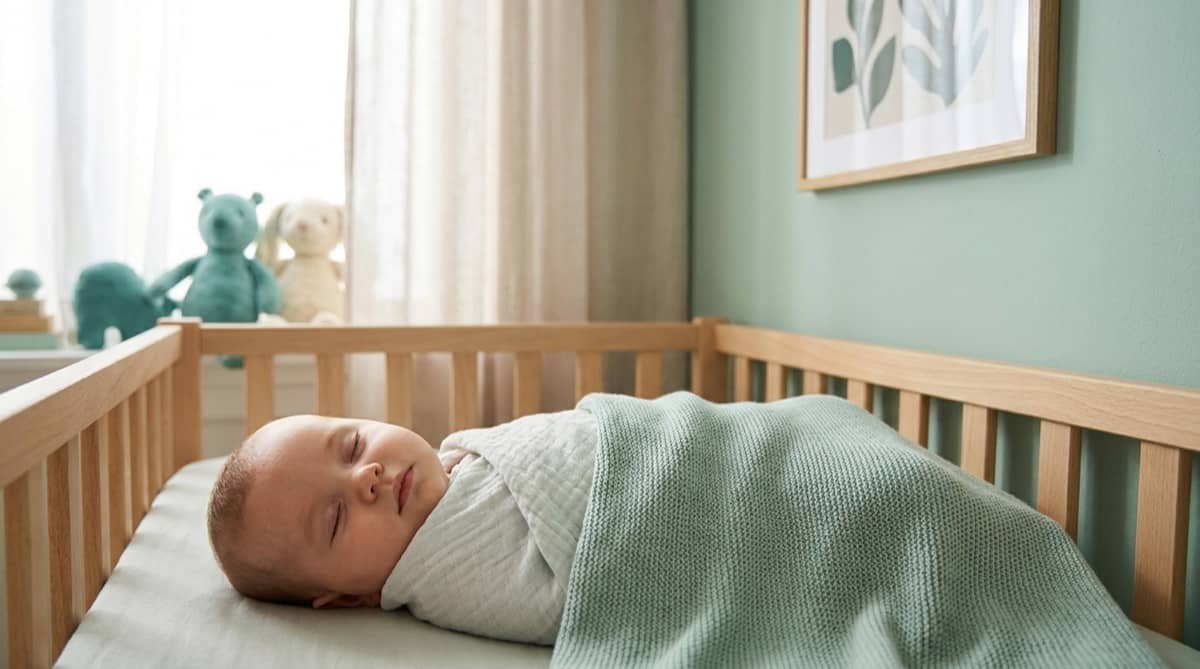
A swaddle wraps a newborn snugly with the arms contained, recreating the coziness of the womb and muffling the startle (Moro) reflex that jolts babies awake. That makes it especially helpful in the newborn weeks. The trade-off is that it restrains the arms — which is fine until a baby can roll, and unsafe after. A safe swaddle is snug at the chest but loose at the hips so the legs can bend.
What a sleep sack does
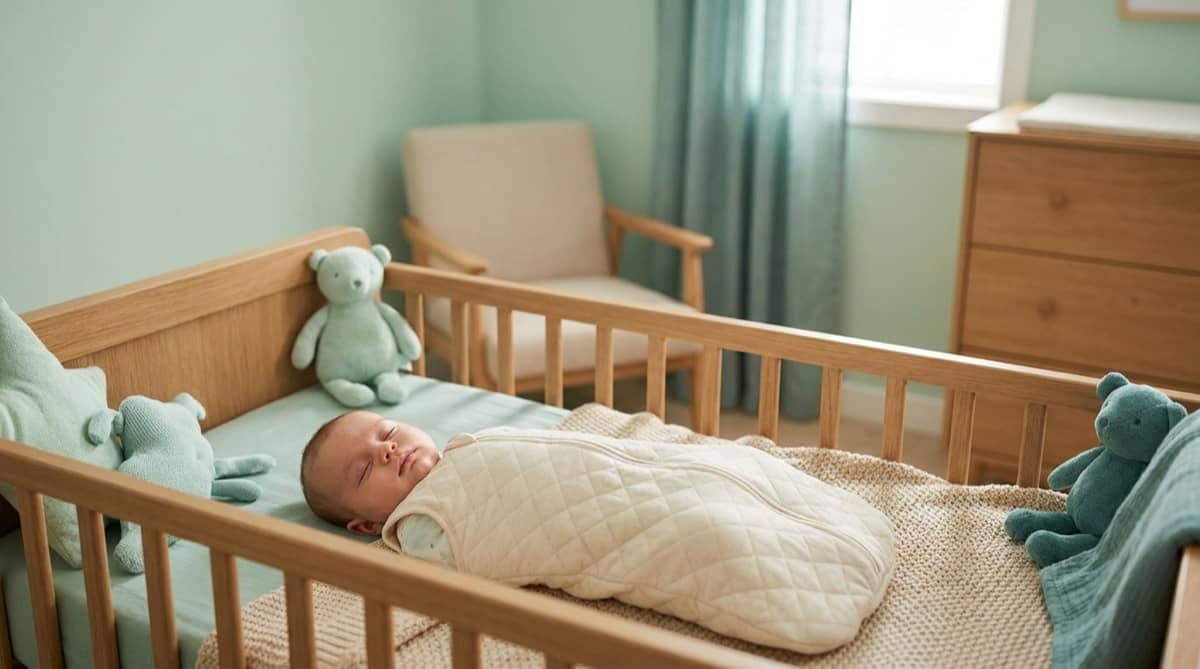
A sleep sack — also called a wearable blanket — is a sleeveless, blanket-like garment your baby wears over pajamas. It keeps them warm while leaving the arms free to move, and it’s the recommended replacement for loose blankets, which pose a suffocation risk. Sleep sacks are safe from birth and can be used for many months, well into toddlerhood.
The critical switch: when rolling starts
Here’s the rule that matters most: stop swaddling at the first signs of rolling, usually somewhere between two and four months. A swaddled baby who rolls to their stomach can’t push up or turn their head, which is dangerous. The moment you notice rolling attempts, transition out of the swaddle and into an arms-free sleep sack — even if the swaddle was working beautifully.
How to transition smoothly
Ease the change if you can: try one arm out of the swaddle for a few nights, then both, or use a transitional sleep sack with detachable wings, then move to a standard arms-free sack. Some babies protest the extra freedom for a few nights as they adjust; keeping the rest of the bedtime routine consistent helps them settle into the new setup.
Choosing the right warmth (TOG)
Sleep sacks come in different TOG ratings (a warmth measure). Match the TOG to your room temperature and dress your baby in appropriate layers underneath — a lightweight sack for a warm room, a thicker one for a cool room. Avoid overheating, which is a SIDS risk: a baby who is sweaty or has a hot chest is too warm. A good rule is one more layer than an adult would wear.
Safe sleep applies either way
Whether swaddle or sleep sack, the safe-sleep rules don’t change: always place your baby on their back, on a firm, flat surface, in a crib, bassinet, or play yard, with nothing else in the sleep space — no loose blankets, pillows, bumpers, or toys. The swaddle or sack is the only "bedding" your baby needs.
The bottom line
Use a swaddle (arms in) for the newborn weeks to calm the startle reflex, then switch to an arms-free sleep sack at the first sign of rolling, around 2–4 months, and keep using the sack for many months. Both safely replace loose blankets — just match the warmth to the room, avoid overheating, and always follow back-to-sleep, bare-crib rules.
Sleep sack vs swaddle
| Aspect | Swaddle | Sleep sack |
|---|---|---|
| Arms | Wrapped in (calms startle reflex) | Free to move |
| Best age | Newborn until rolling (~2–4 mo) | Birth through toddlerhood |
| Safe once rolling? | No — must stop at first roll | Yes |
| Main purpose | Soothe startle reflex, womb-like | Warmth without loose blankets |
| Replaces blankets? | Yes (newborn) | Yes (all ages) |
Was this article helpful?
Frequently asked questions
What’s the difference between a swaddle and a sleep sack?
A swaddle wraps the baby snugly with arms contained, mimicking the womb and dampening the startle (Moro) reflex — best for newborns. A sleep sack (wearable blanket) is a sleeveless garment that leaves the arms free for warmth and movement, safe from birth through toddlerhood. The key difference is whether the arms are restrained.
When should I switch from a swaddle to a sleep sack?
At the very first signs of rolling — often between 2 and 4 months. A swaddled baby who rolls onto their stomach can’t use their arms to reposition, which is dangerous, so transition to an arms-free sleep sack as soon as you see rolling attempts, even if the swaddle was working well.
Are sleep sacks safe for newborns?
Yes. A correctly sized sleep sack is safe from birth and is the recommended alternative to loose blankets, which are a suffocation hazard. Choose the right size and an appropriate TOG (warmth) rating for the room temperature, and always place baby on their back on a firm, flat, bare surface.
Do I need both a swaddle and a sleep sack?
Many families use a swaddle in the newborn weeks for the startle reflex, then transition to a sleep sack once rolling begins and use it for many months. Some skip swaddling entirely and use a sleep sack from the start. Both are valid — it depends on your baby and your preference.
How do I keep my baby warm without a blanket?
Use a sleep sack or wearable blanket sized for your baby, and dress them in appropriate layers underneath based on room temperature (a general guide is one more layer than you’d wear). Keep loose blankets, pillows, and bumpers out of the sleep space entirely for the first year.
References
- 1.Swaddling: Is It Safe for Your Baby? — American Academy of Pediatrics (HealthyChildren.org)
- 2.A Parent’s Guide to Safe Sleep — American Academy of Pediatrics (HealthyChildren.org)