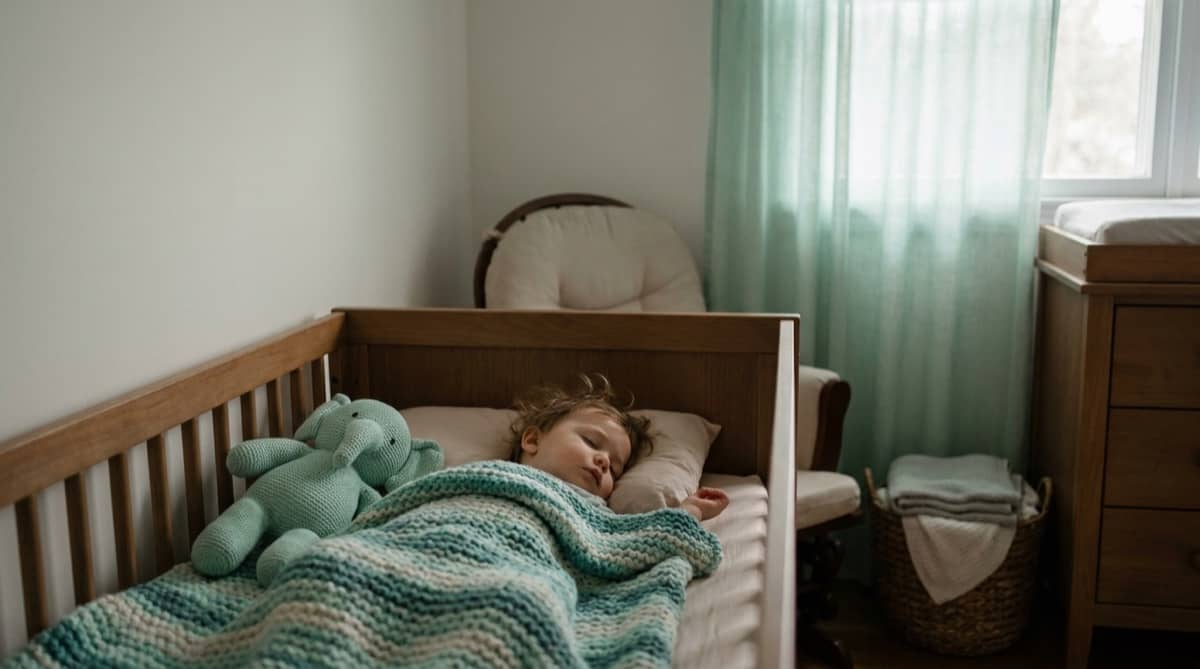
Newborn Sleep Schedules, Explained
What newborn sleep really looks like in the first months.
By Marcus Hale · Senior gear writer & testing lead
Updated June 11, 2026
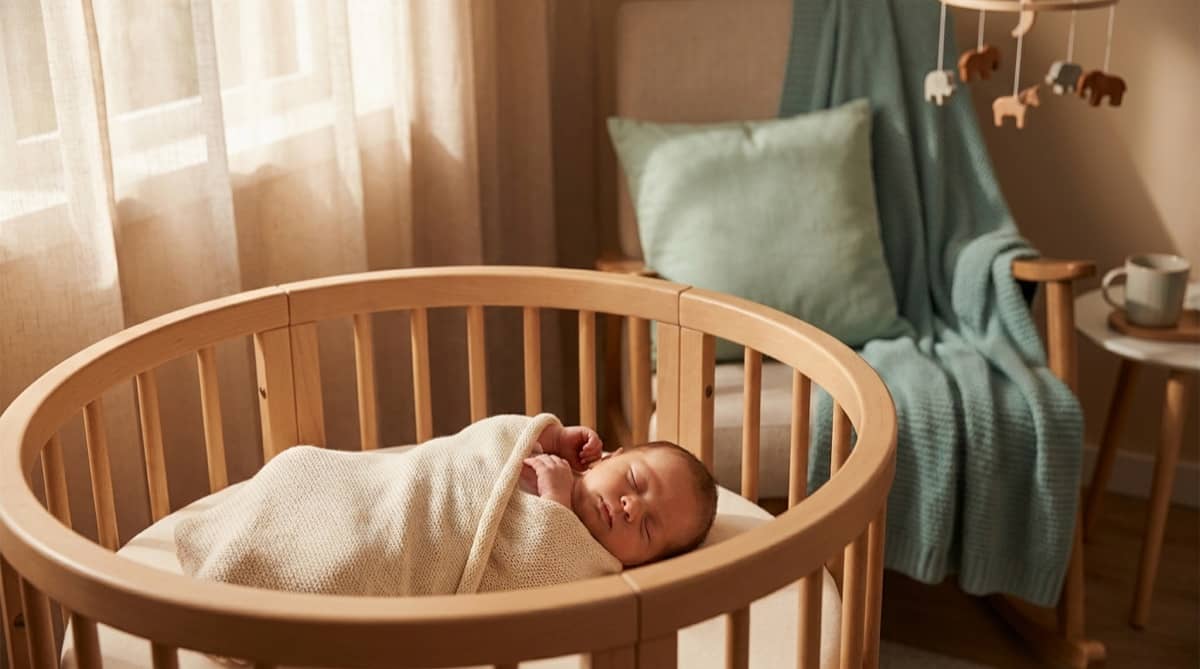
New parents often arrive expecting a sleep schedule and discover something closer to controlled chaos. That is normal: newborn sleep is biologically different from older-baby sleep, and trying to impose a rigid timetable in the first weeks usually backfires. This guide explains what newborn sleep actually looks like, why there is no real schedule yet, and the gentle rhythms that make the fourth-trimester fog more manageable.
How much do newborns actually sleep?
Newborns sleep about fourteen to seventeen hours a day — but in fragments of two to four hours, scattered across day and night. Their tiny stomachs need frequent refilling, and their circadian clock, the internal day-night timer, is not yet developed. So a brand-new baby genuinely does not know the difference between 3 p.m. and 3 a.m., and no amount of scheduling changes that biology in the first weeks.
Why there is no schedule yet
For roughly the first six to eight weeks, aim for a rhythm, not a clock. The classic pattern is feed → short awake time → sleep, repeated around the clock. Wake windows are extremely short — about forty-five to sixty minutes, often barely longer than a feed and a change. Trying to stretch a newborn to "nap times" usually produces an overtired, harder-to-settle baby. Follow cues, not the clock.
Reading sleepy cues and wake windows
Catching the window matters more than the minute. Early sleepy cues include yawning, staring off, slowing down, rubbing eyes, and grizzling; late cues are crying and back-arching, by which point the baby is overtired and harder to settle. When you spot early cues, begin winding down. Over-tiredness, not under-tiredness, is the usual culprit behind a baby who fights sleep.
Helping day-night confusion
You cannot install a schedule, but you can nudge the circadian clock. Make daytime bright and engaging — open curtains, normal noise, full feeds — and make nighttime profoundly boring: dim lights, quiet voices, minimal stimulation, calm and efficient diaper changes. This consistent contrast helps your baby’s developing clock learn that night is for sleeping, typically over the first several weeks.
Feeding and night sleep in the early weeks
Until your baby has regained birth weight and your provider confirms steady gain, do not let newborns go too long between feeds — many providers suggest waking to feed if a stretch exceeds about three to four hours. Once weight gain is established, you can usually let your baby take longer night stretches without waking them. Always follow safe-sleep rules: alone, on the back, on a firm flat surface, every sleep.
When patterns start to emerge
Around eight to twelve weeks, you will likely see the first hints of a pattern: longer night stretches, more alert and social daytime, and naps that start to cluster. This is the window where a loose, flexible routine becomes realistic. Real consolidated night sleep — a six-to-eight-hour stretch — emerges for many babies around four to six months, though wide variation is normal.
The bottom line
Expect fragmented, around-the-clock sleep with no schedule for the first couple of months, follow a feed-wake-sleep rhythm with very short wake windows, build day-night contrast, and feed on demand. Structure comes later — for now, the goal is rhythm, safe sleep, and your own survival. Sleep does consolidate; it just takes a few months.
Was this article helpful?
Frequently asked questions
Do newborns have a sleep schedule?
Not in the structured sense. For the first 6–8 weeks, newborns sleep in short bursts around the clock with no day-night pattern. Rather than a clock-based schedule, follow a feed-wake-sleep rhythm and short wake windows, and let a predictable pattern emerge naturally over the first few months.
How long should a newborn stay awake?
Wake windows are very short at first — roughly 45 to 60 minutes, including feeding and a diaper change. Watching for early sleepy cues (yawning, staring, fussing, rubbing eyes) and putting baby down before they are overtired makes settling far easier.
How can I help my newborn tell day from night?
Make days bright and active with normal household noise and full feeds, and keep nights dark, quiet, and boring — dim lights, minimal talking, calm diaper changes. This light and activity contrast helps the developing circadian clock sort day from night over the first weeks.
Should I wake my newborn to feed?
In the early weeks, yes if needed: many pediatricians advise not letting a newborn go longer than about 3–4 hours between feeds until they have regained birth weight and your provider confirms steady gain. After that, you can usually let them sleep longer stretches at night.
When will my baby sleep through the night?
Many — but not all — babies can manage a 6–8 hour stretch around 4–6 months. Frequent night waking before then is developmentally normal, not a problem you caused. Longer consolidated sleep emerges gradually as the brain matures.
References
- 1.Healthy Sleep Habits: How Many Hours Does Your Child Need? — American Academy of Pediatrics (HealthyChildren.org)
- 2.Infant Sleep — American Academy of Pediatrics (HealthyChildren.org)