When Can Babies Drink Water? (Safety Guide)
Why water is unsafe before 6 months, and how much is okay after.
By Marcus Hale · Senior gear writer & testing lead
Fact-checked by Dana Reyes (CPST-certified car seat & safety editor)
Updated June 11, 2026
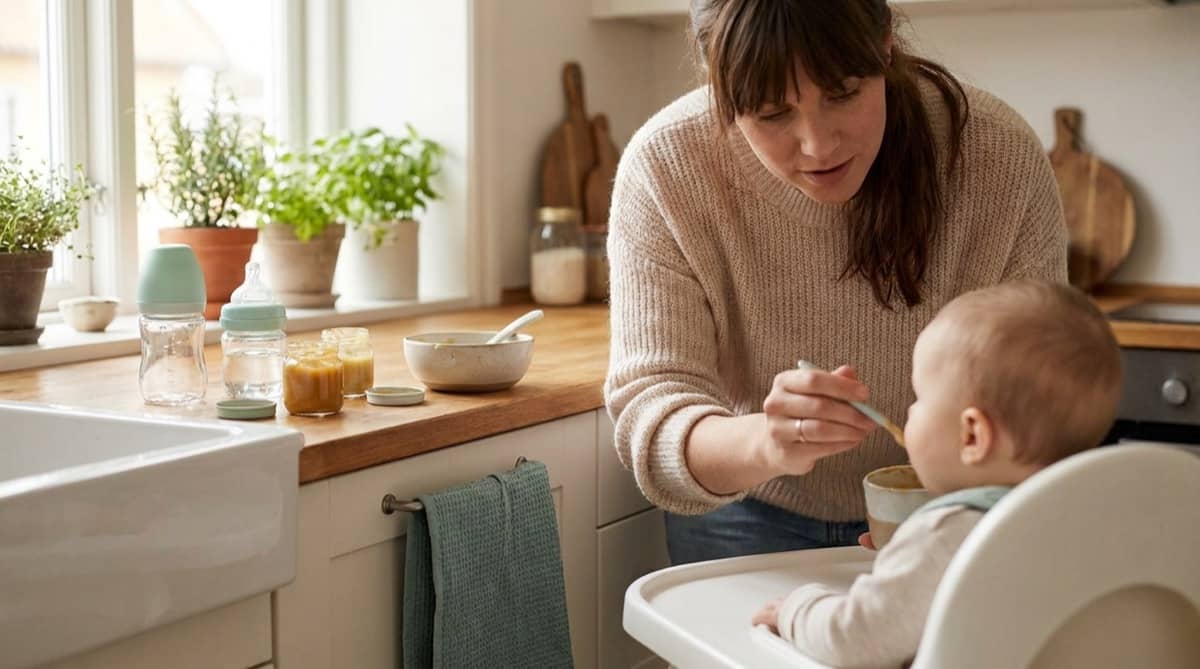
"Can my baby have a little water?" is one of the most common — and most important — questions new parents ask, because the intuitive answer (water is healthy, right?) is actually wrong for young babies. Giving water too early can be genuinely dangerous. This guide explains why, when water becomes appropriate, how much, and what about juice and cow’s milk.
Why babies under 6 months shouldn’t have water
For the first six months, breast milk or formula supplies all the hydration a baby needs — these are roughly 80% water. Giving additional plain water carries two real risks: it can dilute the sodium in a baby’s blood, causing water intoxication (which can lead to seizures and is potentially life-threatening), and it fills a tiny stomach with zero-calorie liquid, displacing the milk that fuels growth. So the rule is simple: no plain water before about six months.
Hydration in the early months
If you’re worried your baby isn’t getting enough fluid — in heat, illness, or a growth spurt — the answer is more frequent breast milk or formula feeds, not water. These provide both hydration and nutrition. Watch wet diapers (about six or more a day after the first week) as your hydration gauge, and call your pediatrician if you see signs of dehydration like a sunken soft spot, very few wet diapers, or lethargy.
Introducing water around 6 months
When solids begin around six months, you can start offering small sips of water with meals, ideally in an open cup or straw cup to build skills. Keep it modest — roughly four to eight ounces (about half to one cup) total across the day — because breast milk or formula should remain the main drink and the primary source of nutrition through the first year. A little water aids digestion of solids and helps with constipation.
After the first birthday
At twelve months, the rules relax: water can be offered freely, and whole cow’s milk can become a main drink (most toddlers do well with about 16–24 ounces of milk a day, not more, to leave room for food and iron-rich nutrition). Water and milk are the recommended drinks for toddlers — keep sugary drinks out.
What about juice and other drinks?
The AAP recommends no fruit juice before twelve months, and only small amounts after that, since juice adds sugar without the fiber of whole fruit. Skip flavored milks, sodas, and "toddler" sweet drinks. For babies and toddlers, breast milk or formula (under one), then water and plain whole milk (over one), cover what they need.
The bottom line
Don’t give plain water before about six months — breast milk or formula provides all the hydration a baby needs, and early water risks dangerous sodium dilution. From six months, offer small sips with meals (around 4–8 oz a day) while keeping milk primary, and after the first birthday, water and whole milk become the go-to drinks. When in doubt about hydration, call your pediatrician.
Was this article helpful?
Frequently asked questions
When can babies start drinking water?
Around 6 months, when solid foods are introduced, you can offer small sips of water with meals. Before 6 months, babies should only have breast milk or formula, which meets all their hydration needs — extra water isn’t necessary and can be harmful.
Why can’t newborns have water?
A newborn’s kidneys and body can’t handle extra water: drinking it can dilute the sodium in their blood, leading to water intoxication, which can cause seizures and be life-threatening. Water also fills their tiny stomachs, displacing the calories and nutrients from milk they need to grow. Breast milk and formula are about 80% water and provide all the hydration required.
How much water can a 6–12 month old have?
Small amounts — roughly 4 to 8 ounces (about ½ to 1 cup) of water spread across the day, offered in an open or straw cup with meals. Breast milk or formula should still be the main drink and source of nutrition until the first birthday. Too much water can reduce milk/formula intake.
Can I give my baby water in hot weather?
For babies under 6 months, even in heat, offer more frequent breast milk or formula feeds rather than water — that’s the safe way to keep them hydrated. For babies over 6 months, small extra sips of water are fine. If you’re ever worried about dehydration, contact your pediatrician.
When can babies have juice or cow’s milk?
The AAP recommends no fruit juice before 12 months, and limited amounts after. Whole cow’s milk as a main drink can be introduced at 12 months. Before then, breast milk or formula remains the primary drink. Water in small amounts is fine from 6 months with meals.
References
- 1.Recommended Drinks for Children — American Academy of Pediatrics (HealthyChildren.org)
- 2.Foods and Drinks to Limit — CDC