Tips for Traveling With a Baby
Flying and road trips with an infant, made easier.
By Marcus Hale · Senior gear writer & testing lead
Updated June 11, 2026
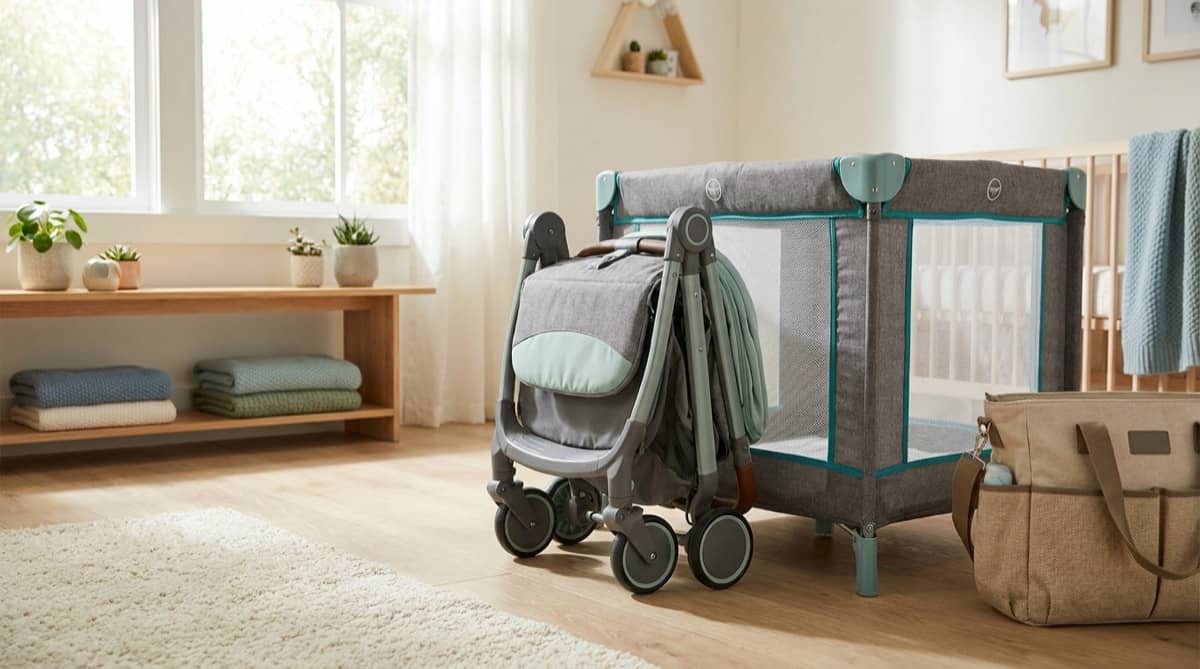
Traveling with a baby sounds daunting, but with the right preparation it’s entirely manageable — and gets families to the people and places that matter. The keys are car-seat safety, smart packing, and keeping expectations flexible. This guide covers flying, road trips, what to pack, and the safety rules that don’t bend on the road or in the air.
Flying: the car-seat question
The safest way for a baby to fly is in an approved car seat in their own purchased seat — the FAA and AAP both recommend it, because a lap infant is unprotected during turbulence. Look for the label stating your car seat is certified for aircraft use, and confirm your airline’s infant and car-seat policies before you book. If you do fly with a lap infant, keep them secured to you per crew instructions.
Easing the flight itself
Help with ear pressure by encouraging sucking during takeoff and descent — a breast, bottle, or pacifier all work — and try to time a feed for those phases. Board strategically (sometimes early for setup, sometimes late to shorten sit-time), dress your baby in layers for unpredictable cabin temperatures, and bring a few novel small toys. If your baby is sick or has an ear infection, check with your pediatrician before flying.
Road trips
On drives, your installed car seat does the heavy lifting — verify it’s correctly installed (snug at the belt path, proper recline, harness at the right level). Stop every two to three hours to feed, change, and let your baby out of the seat, since long uninterrupted car-seat time isn’t ideal. Schedule around naps if you can, keep sun shades on the windows, and never, ever leave your baby alone in the car — interior heat becomes lethal within minutes.
What to pack
Keep essentials in your carry-on or front seat, never the hold or trunk. Bring more diapers and wipes than you think you’ll need, a changing pad, at least one full change of clothes for the baby (and a backup shirt for you), feeding supplies (formula, pumped milk, or snacks), medications, a few toys, and a muslin for warmth or shade. Delays and blowouts are when over-packing pays off.
Through airport security
You can bring breast milk, formula, and baby food in reasonable quantities beyond the usual liquid limits — in the U.S., declare them to TSA for separate screening, and the baby doesn’t need to be present. Pack these items where you can grab them quickly. Strollers and car seats can typically be checked at the gate, which keeps them with you until boarding.
Keep routines loose but familiar
Travel disrupts schedules, and that’s okay. Carry familiar comfort items (a favorite lovey within safe-sleep limits, white-noise app, usual sleep sack) to recreate a sense of normalcy, and protect sleep where you reasonably can. Expect some off days and extra night wakings; babies usually re-settle within a few days of returning home. Flexibility, not perfection, makes travel work.
The bottom line
Travel with a baby comes down to car-seat safety (in the car and, ideally, on planes), generous carry-on packing, easing ear pressure with feeding on flights, frequent stops on road trips, and never leaving a baby alone in a vehicle. Keep routines familiar but flexible, and you’ll find that going places with a baby is far more doable than it sounds.
Was this article helpful?
Frequently asked questions
Do babies need their own seat and car seat on a plane?
The FAA and AAP recommend that children be secured in an approved car seat (or approved harness device) on flights, which is safest during turbulence — that means buying a seat for your baby rather than holding them as a "lap infant." Check that your car seat is labeled FAA-approved for aircraft use, and confirm your airline’s infant policy.
How do I protect my baby’s ears when flying?
Encourage sucking during takeoff and descent — breastfeed, offer a bottle, or a pacifier — to help equalize ear pressure. Try to time a feed for these phases. Most babies handle pressure changes fine; if your baby has a cold or ear infection, ask your pediatrician before flying.
What should I pack in the diaper bag for travel?
Pack more than you expect to need in your carry-on (never check essentials): extra diapers and wipes, a changing pad, at least one full change of clothes for baby (and a spare top for you), formula or pumped milk or snacks, any medications, a few toys, and a muslin blanket. Delays happen — supplies in the bag beat supplies in the hold.
How often should I stop on a road trip with a baby?
Plan to stop every two to three hours to feed, change, and let everyone stretch — babies shouldn’t spend excessive uninterrupted time in a car seat. Never leave a baby alone in a car, even briefly: temperatures rise to deadly levels within minutes. Schedule drives around naps when you can.
Can I bring breast milk, formula, and baby food through airport security?
Yes. In the U.S., the TSA allows breast milk, formula, and baby food in "reasonable quantities" above the standard liquid limit — declare them at screening for separate inspection. The baby does not need to be present. Pack them accessibly to speed up the process.
References
- 1.Flying with Baby: Parent FAQs — American Academy of Pediatrics (HealthyChildren.org)
- 2.Flying with Children — Federal Aviation Administration

