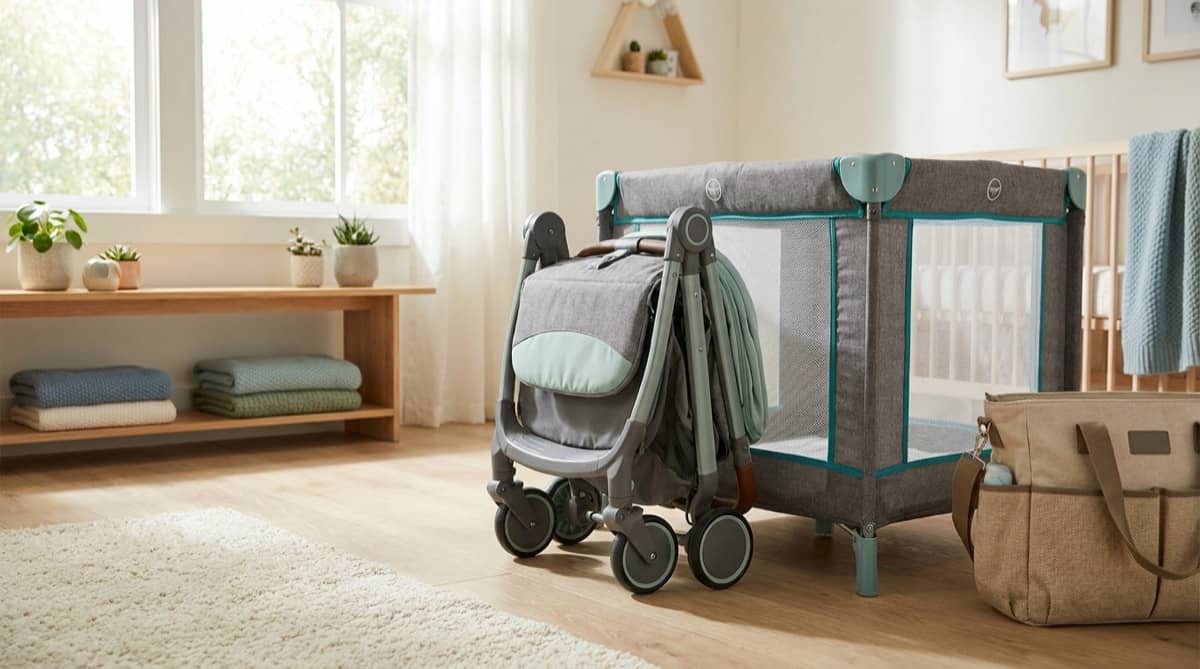
Stroller Buying Guide for New Parents
How to choose the right stroller for your lifestyle and budget.
By Marcus Hale · Senior gear writer & testing lead
Updated June 11, 2026

A stroller is one of the priciest and most-used pieces of baby gear you’ll buy — and the one most prone to over-spending on features you’ll never use. The secret is to start from your life (where you live, what you drive, how you’ll get around) rather than from a spec sheet. This guide breaks down the stroller types, what newborns actually need, and the handful of features that matter day to day.
Start with how you’ll actually use it
Before comparing models, picture your real week. Do you load it into a car trunk daily (fold size and weight win), navigate subway stairs or city sidewalks (lightweight and nimble win), live somewhere with gravel, snow, or trails (bigger wheels win), or plan to run (a jogger)? The "best" stroller is the one that fits your environment — a luxury full-size model is a burden if you’re hauling it up to a fourth-floor walk-up every day.
What a newborn needs
This is the one non-negotiable: newborns can’t hold their heads up and must travel lying flat or in an infant car seat. So for the early months you need a stroller that either accepts an infant car seat (via built-in compatibility or adapters — the "travel system" approach) or offers a lie-flat bassinet. A plain upright toddler seat is unsafe until your baby has reliable head and trunk control, typically around six months.
The main stroller types
Full-size strollers are the do-everything option: sturdy, feature-rich, comfortable for long outings, but heavier and bulkier. Travel systems pair a frame with a clickable infant car seat — ideal for car-centric families who want seamless car-to-stroller transfers. Lightweight and umbrella strollers fold small and carry easily, perfect for travel and transit but with fewer features. Joggers are for runners, with locking front wheels and air tires. Double strollers (side-by-side or tandem) serve twins and close-in-age siblings.
Features that matter — and that don’t
Prioritize the things you’ll touch constantly: a quick, compact one-hand fold; a weight you can lift into your trunk without wrenching your back; smooth one-handed steering; a reclining seat (lie-flat for newborns); wheels suited to your terrain; and a generous sun canopy. Nice-to-haves like premium fabrics, leatherette handles, and extra cup holders rarely change daily life. Always confirm the model meets current safety standards (look for JPMA certification).
Test before you commit
If you can, try it loaded. Fold and unfold it one-handed, lift it as if into a trunk, push it one-handed around a tight corner, and check that it fits through your doorways and into your vehicle. Strollers that feel great empty in a showroom can feel very different with a 25-pound toddler and a diaper bag aboard. Check the recall status of any model before buying, especially secondhand.
The bottom line
Match the stroller to your lifestyle and environment first, make sure it handles a newborn (car seat or bassinet), and judge models on fold, weight, maneuverability, and recline rather than the feature count. Test-push before you buy, verify safety certification and recalls, and remember that the most expensive stroller is not automatically the right one for your life.
Was this article helpful?
Frequently asked questions
What kind of stroller do I need for a newborn?
Newborns must ride lying flat or in a car seat, because they can’t hold their heads up. Choose a stroller that accepts an infant car seat (a "travel system" or one with car-seat adapters) or one with a bassinet attachment. A standard upright seat alone is not safe until your baby has good head and trunk control, usually around 6 months.
What’s the difference between a travel system and a full-size stroller?
A travel system is a stroller bundled with (or compatible with) an infant car seat that clicks onto the frame, so you can move a sleeping baby from car to stroller without waking them. A full-size stroller is the standalone push chair; many full-size models accept car-seat adapters, effectively becoming a travel system.
Are jogging strollers worth it?
Only if you’ll actually run. Joggers have a fixed or lockable front wheel and air-filled tires for stability at speed. Wait to run with your baby until they have solid head control (around 6–8 months, confirm with your pediatrician). For everyday walking, a regular stroller maneuvers better in tight spaces.
How much should I spend on a stroller?
Good strollers span roughly $100 to over $1,000. Spend based on use: a premium full-size stroller used daily for years can work out to a few dollars a week, while an occasional-use second stroller can be inexpensive. Prioritize safety certification, maneuverability, and fold over status features.
What features actually matter in a stroller?
The ones you’ll feel every day: a compact, easy one-hand fold; manageable weight for lifting into a trunk; smooth one-handed steering; a seat that reclines (and lies flat for newborns); good wheels for your terrain; and a sun canopy. Cup holders and fabrics matter far less than fold, weight, and push.
Gear for this stage
$899–$999
$699–$749
References
- 1.Baby Strollers: Tips for Parents — American Academy of Pediatrics (HealthyChildren.org)
- 2.JPMA Certification — Juvenile Products Manufacturers Association