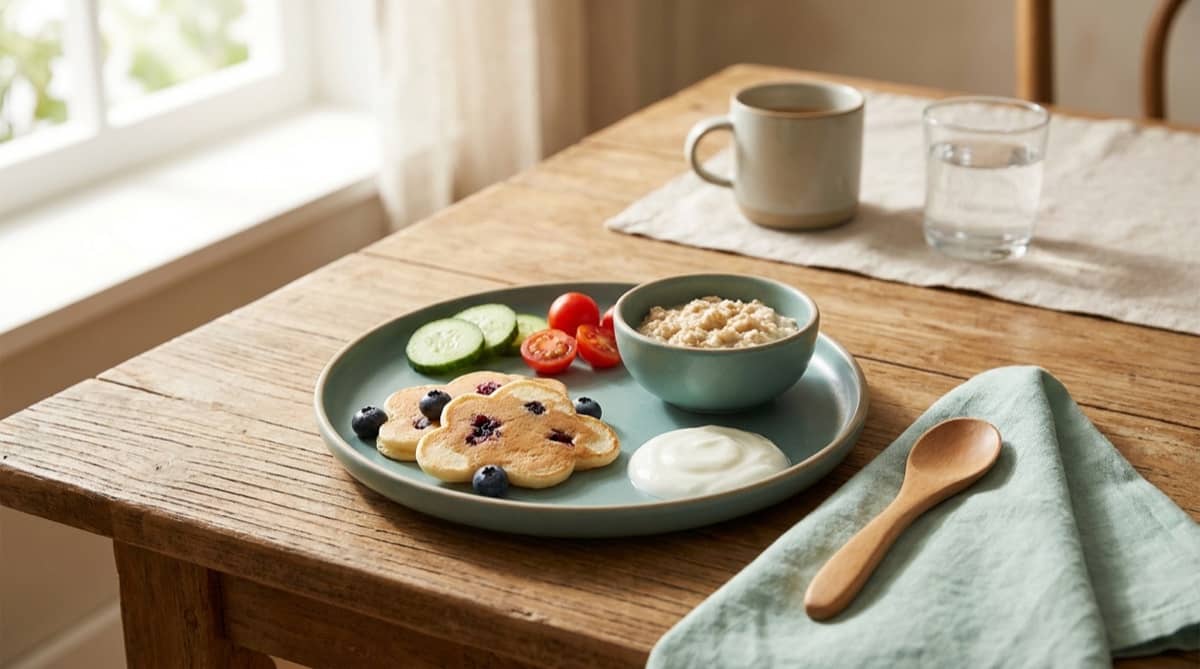
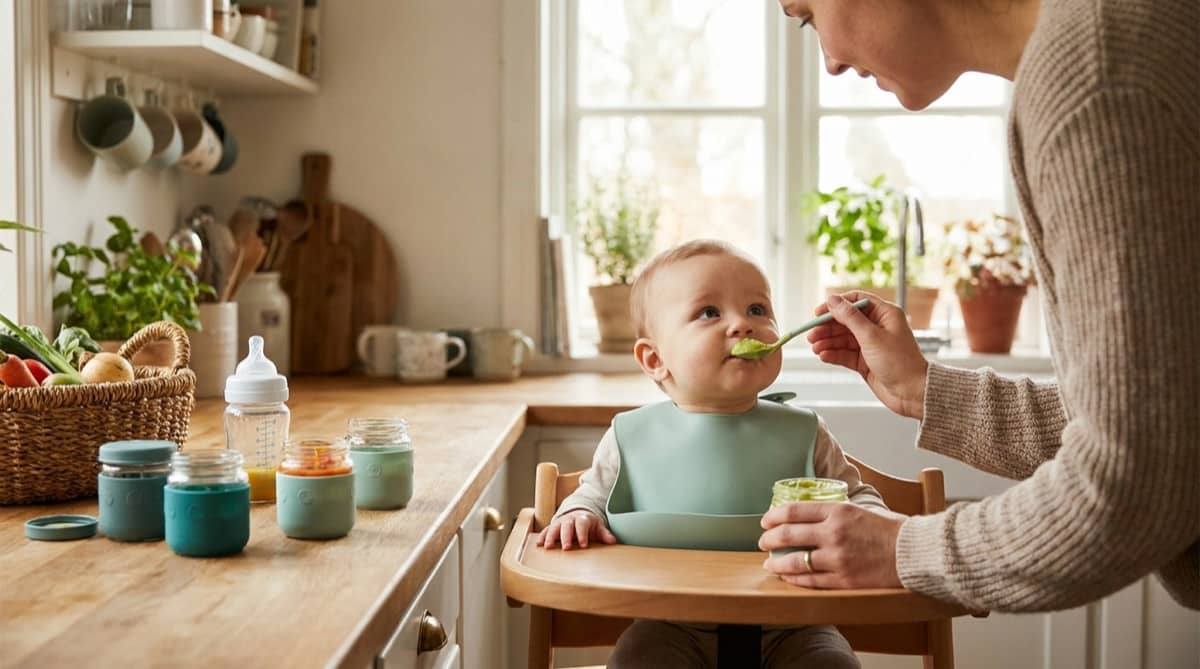
Baby-Led Weaning: A Beginner’s Guide
Skip the purees? Here’s how baby-led weaning works.
By Marcus Hale · Senior gear writer & testing lead
Updated June 11, 2026
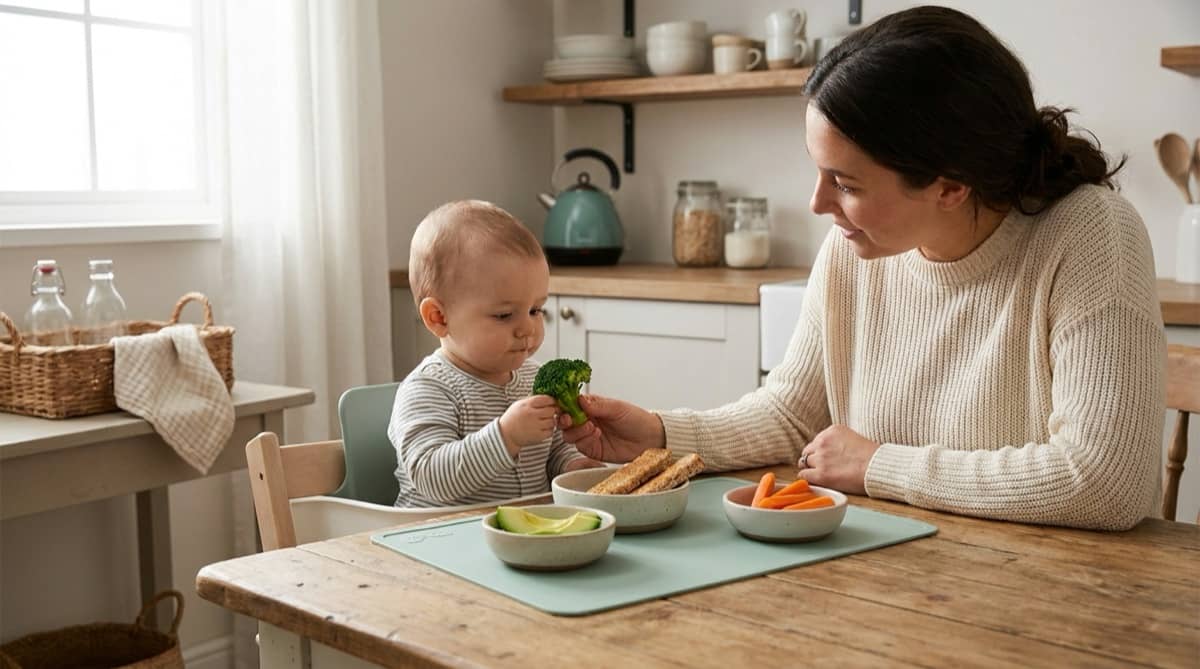
Baby-led weaning (BLW) flips the traditional purée-first script: instead of spooning smooth foods, you hand your baby soft, graspable pieces and let them feed themselves from the start. It’s popular for fostering independence, texture exposure, and family-meal participation — but it comes with specific safety rules. This guide explains how BLW works, what to serve, and how to do it safely.
What baby-led weaning is
In BLW, your baby self-feeds soft finger foods from around six months, exploring textures and regulating their own intake, rather than being spoon-fed purées that progress in thickness. Proponents value that it lets babies set their own pace, may support self-regulation of appetite, and folds the baby into family mealtimes early. It’s an approach, not a strict program — and it can be blended with purées.
When to start
Start at around six months, and only when the readiness signs are present: sitting upright with support and steady head control, loss of the tongue-thrust reflex, and interest in food. Good head and trunk control is especially important for BLW because your baby will be managing whole pieces of food. Don’t start before these signs — age alone isn’t enough.
What to serve
Offer soft foods cut into shapes a baby can grasp — typically finger-length strips early on (think a roasted sweet-potato wedge, ripe avocado or banana spear, soft-cooked pasta, a strip of well-cooked meat, scrambled egg, or toast with a thin smear of nut butter). Prioritize iron-rich foods, since iron stores dip around six months. Introduce common allergens early and one at a time, in safe forms, and keep them in rotation.
Gagging vs choking — know the difference
This is the heart of BLW safety. Gagging is normal, noisy, and protective — the baby coughs, sputters, and pushes food forward, and is moving air. It looks alarming but is the body doing its job, and it happens often as babies learn. Choking is silent: the airway is blocked, the baby can’t cough or cry, and may turn blue — a true emergency. Stay calm and present, learn the signs, and take an infant CPR/choking course before starting.
Safety rules that apply to every method
Always seat your baby fully upright in a high chair, never reclined. Never leave a baby alone while eating. Avoid choking hazards: whole grapes and cherry tomatoes (quarter lengthwise), nuts and popcorn, hard raw vegetables and apple chunks, large pieces of meat or cheese, and round coin-shaped foods like hot dogs. Skip honey before 12 months, cow’s milk as a main drink before one year, and added salt and sugar.
What to expect
Early BLW is messy and more about exploration than calories — most food ends up everywhere but the stomach at first, and that’s normal. Breast milk or formula remains the main source of nutrition until twelve months. Over weeks, your baby gets more skilled at picking up, mouthing, and swallowing. It can take many exposures (research suggests 8–15) for a baby to accept a new food, so keep offering rejected foods without pressure.
The bottom line
Baby-led weaning means self-fed soft finger foods from around six months, led by readiness signs and iron-rich choices, with allergens introduced early. Master the gagging-vs-choking distinction, follow the universal choking-safety rules, always supervise upright, and feel free to blend BLW with purées. Keep milk primary through year one and let your baby set the pace.
Baby-led weaning vs purées
| Aspect | Baby-led weaning | Spoon-fed purées |
|---|---|---|
| How baby eats | Self-feeds soft finger foods | Parent spoon-feeds smooth food |
| Start age | ~6 months (readiness signs) | ~6 months (readiness signs) |
| Textures | Whole soft pieces from the start | Smooth → lumpy → finger foods |
| Mess | High at first | Lower |
| Intake control | Baby self-regulates | Easier to track amount |
| Choking safety | Same rules; learn gagging vs choking | Same rules; learn gagging vs choking |
Was this article helpful?
Frequently asked questions
What is baby-led weaning?
Baby-led weaning is an approach to starting solids where, instead of spoon-feeding purées, you offer soft, appropriately sized finger foods that the baby picks up and feeds themselves from the start (around 6 months). It emphasizes self-regulation, exposure to textures, and participating in family meals.
Is baby-led weaning safe? Does it cause choking?
When done correctly, research suggests BLW does not increase choking risk compared with spoon-feeding. The keys are waiting for readiness signs, offering only soft foods in safe shapes, never leaving a baby unattended while eating, seating them fully upright, and learning the difference between gagging (normal, noisy) and choking (silent, no air).
What foods are good for baby-led weaning?
Soft foods cut into graspable shapes: roasted vegetable strips (sweet potato, zucchini), ripe banana or avocado spears, soft-cooked pasta, strips of well-cooked meat, scrambled or hard-boiled egg, and toast fingers with thin nut butter. Prioritize iron-rich foods, since iron needs rise around 6 months.
What is the difference between gagging and choking?
Gagging is a normal, protective reflex — it’s noisy (coughing, sputtering), the baby is moving air, and it pushes food forward. Choking is silent: the airway is blocked, the baby can’t cough or make sound, and may turn blue. Gagging is common and expected with BLW; choking is an emergency. Learning infant CPR and the signs is strongly recommended.
Can I combine baby-led weaning with purées?
Absolutely. Many families do a hybrid — offering finger foods alongside some spoon-fed purées (or letting baby self-feed loaded spoons). The approaches aren’t mutually exclusive, and combining them is perfectly fine. The readiness signs, iron priority, and choking-safety rules are the same either way.
References
- 1.Starting Solid Foods — American Academy of Pediatrics (HealthyChildren.org)
- 2.Foods and Drinks to Encourage — CDC