Toddler Milestones (1–3 Years): What to Expect
Walking, talking, tantrums, and pretend play — and when to act early.
By Dana Reyes · CPST-certified car seat & safety editor
Updated June 11, 2026
The toddler years — roughly one to three — are a whirlwind of firsts: first steps, first words, first emphatic "no!" Development accelerates across movement, language, social-emotional skills, and thinking. This guide maps what to expect month by month in spirit (as ranges, not deadlines) and, just as importantly, the signs worth raising with your pediatrician.
Movement: walking to running
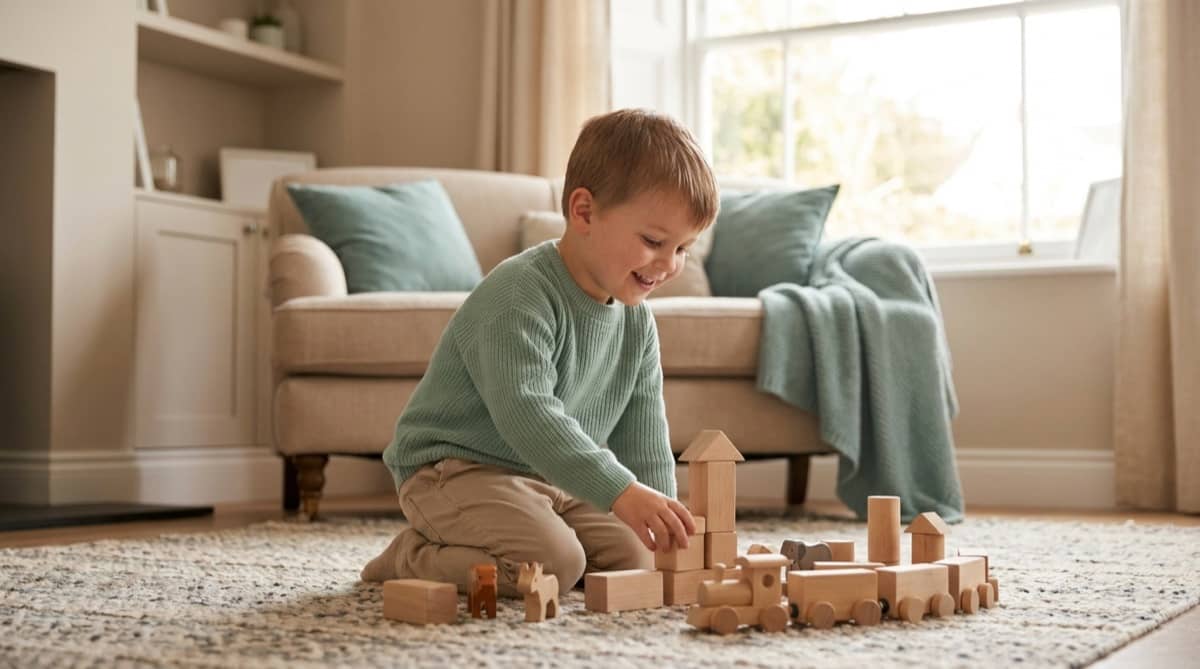
Most toddlers walk independently between 12 and 15 months, then quickly progress to climbing, running, kicking a ball, and walking up stairs with help by age 2, and jumping and pedaling toward age 3. Fine motor skills grow too: stacking blocks, scribbling, self-feeding with a spoon, and turning book pages. Give safe space to practice — toddlers learn through motion.
Language: words to sentences
Language often explodes in the second year. Expect a first word or two around 12 months, several words by 18 months, two-word phrases ("more milk") by 24 months, and short sentences with a fast-growing vocabulary by age 3. Comprehension runs ahead of speech — your toddler understands far more than they can say. Talking, reading, and narrating your day fuel this growth.
Social-emotional: independence and big feelings
Toddlers swing between fierce independence ("me do it!") and needing your reassurance. They begin parallel play, copy others, show affection, and — famously — have tantrums, which are a normal product of big emotions meeting immature self-control. Staying calm, naming feelings, and holding gentle limits builds the regulation skills that shrink tantrums over time.
Cognitive: pretend play and problem-solving
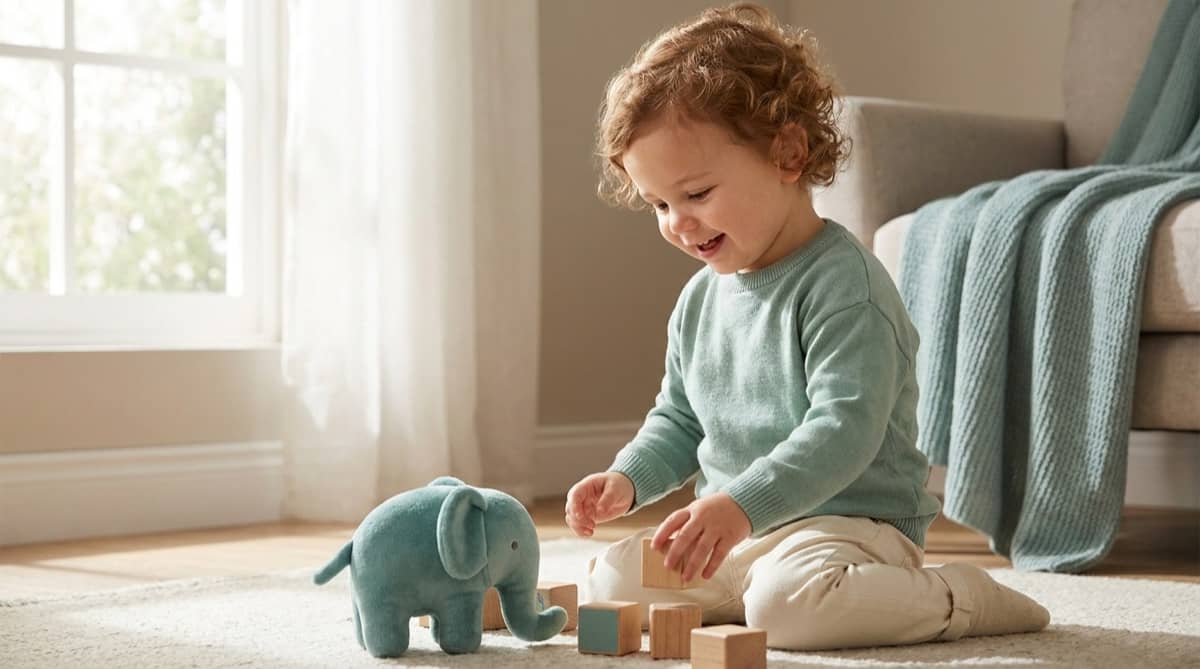
Thinking leaps forward: toddlers sort shapes, complete simple puzzles, follow one- then two-step directions, and launch into pretend play (feeding a doll, "talking" on a phone). This imaginative play is serious developmental work — it builds language, empathy, and problem-solving. Offer open-ended toys and join in.
Sleep, eating, and routines
Toddlers need about 11–14 hours of sleep including a nap (the morning nap usually drops around 15–18 months, leaving one afternoon nap). Appetites vary wildly day to day — offer balanced options and let them decide how much; pressure backfires. Predictable routines for meals, naps, and bedtime reduce friction and tantrums.
When to act early
Milestones are ranges, but raise concerns promptly: not walking by 18 months, no words by 18 months or no two-word phrases by 24 months, losing previously gained skills, not responding to their name or making eye contact, or any nagging instinct that something’s off. Early intervention is most effective when started early, so trust your observations and ask.
The bottom line
Expect walking by ~15 months, two-word phrases by ~24 months, growing independence with normal tantrums, and rich pretend play through the toddler years. Support it with talk, reading, safe movement, and steady routines. Treat milestones as ranges — but act early with your pediatrician if your toddler misses several or loses skills.
Was this article helpful?
Frequently asked questions
What milestones should a 1-year-old hit?
Around 12 months: pulling to stand and cruising or first steps, saying a word or two like "mama/dada" with meaning, waving bye-bye, playing games like pat-a-cake, and using a pincer grasp. By 15 months many walk independently, say a few words, and follow a simple direction.
When should my toddler be talking in sentences?
Expect several single words by 18 months, two-word phrases ("more milk") by around 24 months, and short sentences with a rapidly growing vocabulary by age 3. Understanding usually outpaces speaking. If your 2-year-old isn’t using two-word phrases, mention it to your pediatrician.
Why is my toddler having so many tantrums?
Tantrums are normal and peak in the toddler years because children have intense emotions but immature self-regulation and limited language. Stay calm, keep them safe, acknowledge the feeling, and hold limits kindly. Manage triggers like hunger and tiredness, and offer simple choices to satisfy their drive for independence.
How much should a toddler sleep and eat?
Toddlers need about 11–14 hours of sleep per 24 hours including one nap (the second nap usually drops around 15–18 months). For eating, offer balanced meals and snacks and let them self-regulate amounts — appetites vary day to day and "grazing" is common. Whole milk and water are the recommended drinks.
When should I worry about my toddler’s development?
Talk to your pediatrician if your toddler misses several milestones for their age, loses skills they had, isn’t walking by 18 months, has no words by 18 months or no two-word phrases by 24 months, doesn’t make eye contact or respond to their name, or if your instincts say something is off. Early support helps most.
References
- 1.Toddler (1–3 years) — CDC — Learn the Signs. Act Early.
- 2.Toddler Development — American Academy of Pediatrics (HealthyChildren.org)